Every standard heart risk calculator answers the same question: based on your age, cholesterol, blood pressure, and smoking status, what’s the statistical likelihood you’ll have a cardiac event in the next ten years?
It’s a population estimate applied to an individual. A coronary artery calcium scan answers something different and more direct: is there plaque in your arteries right now, and how much?
That shift — from probability to observation — is why one study found CAC scoring changed statin recommendations in 63% of eligible patients. Not refined. Changed.
Quick Fact: People with a calcium score of zero had roughly three times lower risk of heart attack and all-cause death in a 2024 Intermountain Health study — making a zero score one of the most reassuring results in preventive cardiology.
What the Scan Actually Measures
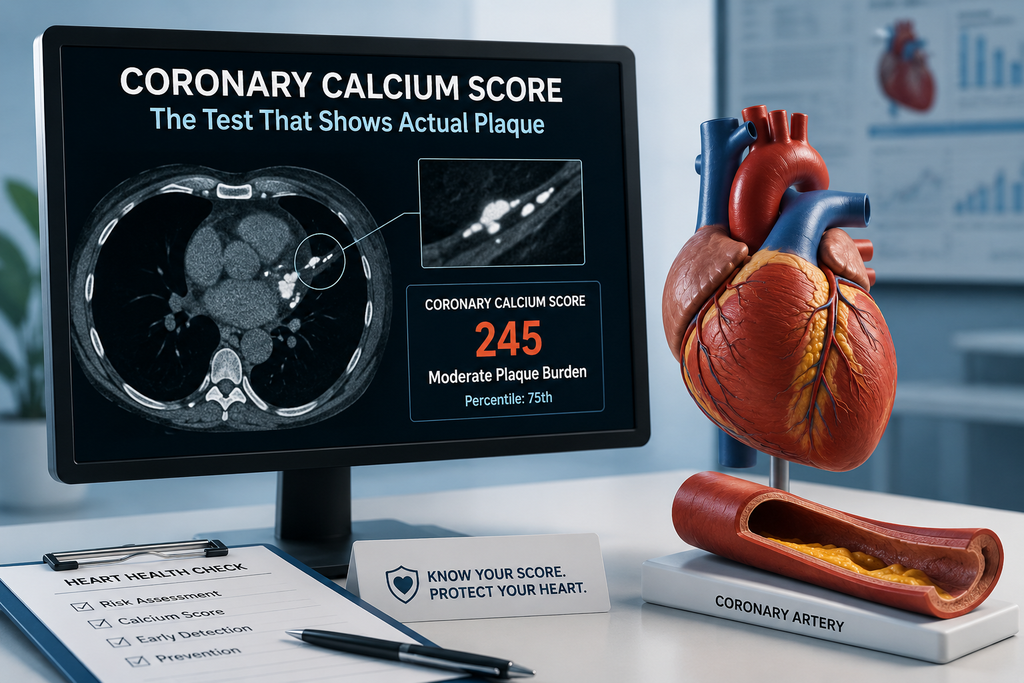
A CAC scan is a quick, non-invasive CT of the chest. It takes about ten minutes, requires no contrast dye, no needles, and no fasting.
Calcium shows up clearly on CT, and calcium in the coronary arteries indicates calcified plaque — hardened atherosclerosis. The scan quantifies how much is there and produces a single number.
A useful analogy comes from cardiology itself: CAC scoring works much like a bone density scan. Bone density doesn’t tell you that you’ll fracture a hip; it tells you how likely it is. CAC does the same for cardiac events.
Important limitation up front: a CAC scan does not tell you whether an artery is blocked. It measures plaque burden, not obstruction. Those are different questions requiring different tests.
Quick Reference: What Your Score Means
| CAC Score | Interpretation | Typical Implication |
|---|---|---|
| 0 | No detectable calcified plaque | Very low event rate; may support delaying statins |
| 1–100 | Mild plaque | Evidence of coronary disease; interpret with age and risk factors |
| 100–300 | Moderate plaque | Higher risk of an event within 3-5 years |
| 300+ | Significant plaque | High risk; may approach that of prior heart attack patients |
Scores can reach into the thousands. Your result is also compared against others of your same age, sex, and ethnicity — which is where context matters enormously.
Why Age Changes Everything About Your Score
This is the part that surprises people most.
A score of 2 sounds trivially small. But as one Yale cardiologist put it, a 37-year-old with a score of 2 is genuinely concerning — it means calcified plaque has already begun forming decades earlier than expected, and the priority becomes stopping its progression.
The same score of 2 in a 75-year-old is unremarkable.
This is why the absolute number matters less than the percentile for your age group, and why interpreting a CAC result without that context leads people to both unnecessary alarm and false reassurance.
Who the Scan Is Actually For
CAC scoring is designed for a specific population: asymptomatic adults at intermediate risk, where the decision about starting a statin is genuinely uncertain.
Generally appropriate for:
- Adults roughly 40-75 with intermediate calculated risk (typically 5-20% ten-year risk)
- People on the fence about starting a statin
- Those with a family history of early heart disease but otherwise unremarkable numbers
- People whose risk calculator result doesn’t match their clinical picture
Generally not useful for:
- Anyone who already has known coronary artery disease
- People who’ve had a heart attack, stent, or bypass
- Those already at clearly high risk who will be treated regardless
- Assessing whether existing treatment is working
That last exclusion is worth emphasizing. CAC is not a monitoring tool — calcium scores often increase even with successful statin therapy, because statins can stabilize plaque by calcifying it. A rising score after treatment doesn’t necessarily mean treatment failed.
What It Actually Changes
The clinical value isn’t the number itself. It’s the decisions that follow.
Cardiologists generally recommend statins for scores above zero, higher-intensity statins above 100, and more aggressive management above 300 — where risk approaches that of someone who has already had a heart attack.
But the more interesting direction is de-escalation. A CAC score of zero reliably predicts very low event rates, and can support delaying or avoiding statin therapy in someone whose calculator score suggested treatment. A narrative review of 109 peer-reviewed studies (2000-2025) noted this de-escalation potential specifically — and that it remains underused.
That’s the underappreciated value: CAC can tell you what you don’t need as clearly as what you do.
Quick Reference: CAC vs. Other Cardiac Tests
| Test | What It Measures | Best Used For |
|---|---|---|
| CAC scan | Calcified plaque burden | Refining risk in asymptomatic intermediate-risk adults |
| Standard lipid panel | LDL, HDL, triglycerides | Baseline risk factors, treatment monitoring |
| Lp(a) | Genetic lipoprotein risk | Once-in-a-lifetime inherited risk assessment |
| Stress test | Functional blood flow limitation | Evaluating symptoms like chest pain |
| CT angiography (CCTA) | Actual narrowing and soft plaque | Detailed anatomy when obstruction is the question |
The Limitation Worth Knowing
Honest coverage requires naming this: CAC scoring detects calcified plaque. It does not detect soft, non-calcified plaque, which can also rupture and cause heart attacks.
A 2025 study comparing CAC scoring against invasive coronary angiography found CAC had high sensitivity (91.2%) but considerably lower specificity (63.2%), with a negative predictive value of 60% in that population. Notably, 25% of patients with a CAC score of zero still had obstructive coronary disease in that specific study group.
Context matters: that study examined patients already referred for invasive angiography — a higher-risk population than the asymptomatic screening group CAC is designed for. But it reinforces a real principle: a zero score is reassuring, not a guarantee, particularly for someone with symptoms.
If you have chest pain or other symptoms, CAC is not the right test. That’s a different clinical pathway.
What People Actually Experience
The most common report about the scan itself is that it’s anticlimactic — ten minutes, fully clothed above the waist, no needles, no dye, and you walk out.
The harder part is the number.
Cardiologists consistently describe spending significant time helping patients interpret results, because a nonzero score lands emotionally like a diagnosis when it’s actually a risk estimate. One Yale cardiologist frames it well: a positive result should guide you, not define you.
The second common experience is cost confusion. CAC scans are frequently not covered by insurance, with out-of-pocket costs commonly ranging from roughly $50 to $400 depending on the facility. Many centers offer it as a self-pay preventive screening, and prices vary enough that calling ahead is worthwhile.
Third: people are often surprised the test is so underused. It tripled in usage between 2006 and 2017 and interest keeps growing, but eligibility studies suggest only a fraction of the people who could benefit actually get one.
Common Mistakes
Treating a nonzero score as a diagnosis. It’s a risk marker, not a disease verdict. What matters is the score relative to your age and what you do next.
Reading the number without the age percentile. A score of 2 means something completely different at 37 than at 75. The percentile is the meaningful context.
Expecting it to detect blockages. CAC measures plaque burden, not obstruction. If the question is whether an artery is narrowed, that’s a CT angiogram or stress test.
Using it to monitor treatment. Scores can rise on statins because plaque calcifies as it stabilizes. A higher score after treatment isn’t evidence of failure.
Getting it when you have symptoms. Chest pain, shortness of breath, or exertional symptoms warrant a different diagnostic pathway entirely.
Assuming a zero score means you can ignore risk factors. Zero is genuinely reassuring for calcified plaque, but soft plaque exists, and high blood pressure, smoking, and diabetes still matter.
Practical Tips
- Ask for your score and your age-sex-ethnicity percentile, not just the raw number.
- Call several imaging centers about self-pay pricing; the variation is substantial.
- Bring the result to a doctor for interpretation rather than searching the number online — context changes the meaning entirely.
- If your score is zero and you’d been leaning toward a statin, ask specifically whether it supports delaying — this de-escalation use is documented but underused.
- Combine it with an Lp(a) test if you’ve never had one; they measure different, complementary aspects of risk.
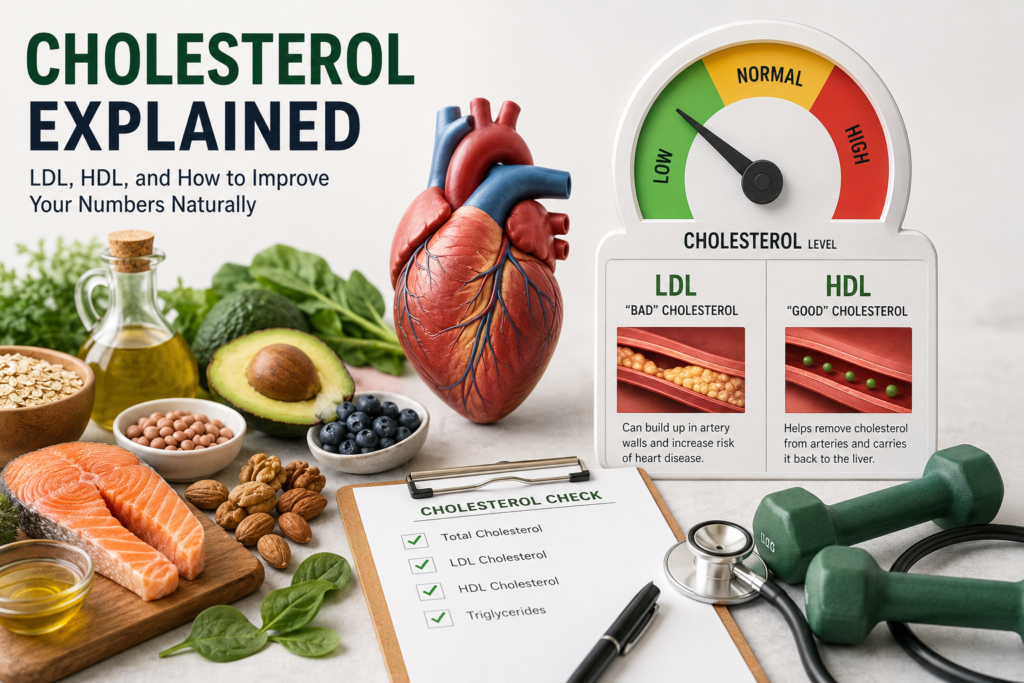
If you’re assessing cardiovascular risk more broadly, it’s worth pairing this with our guides on Lp(a) testing and cholesterol explained: LDL vs HDL, since CAC is most informative alongside the standard panel rather than instead of it.
When Should You See a Doctor?
Ask your doctor whether a CAC scan is appropriate if you’re between roughly 40 and 75, have no known heart disease, and are uncertain about starting a statin — particularly if you have a family history of early heart disease or your risk calculator result feels inconsistent with your overall picture.
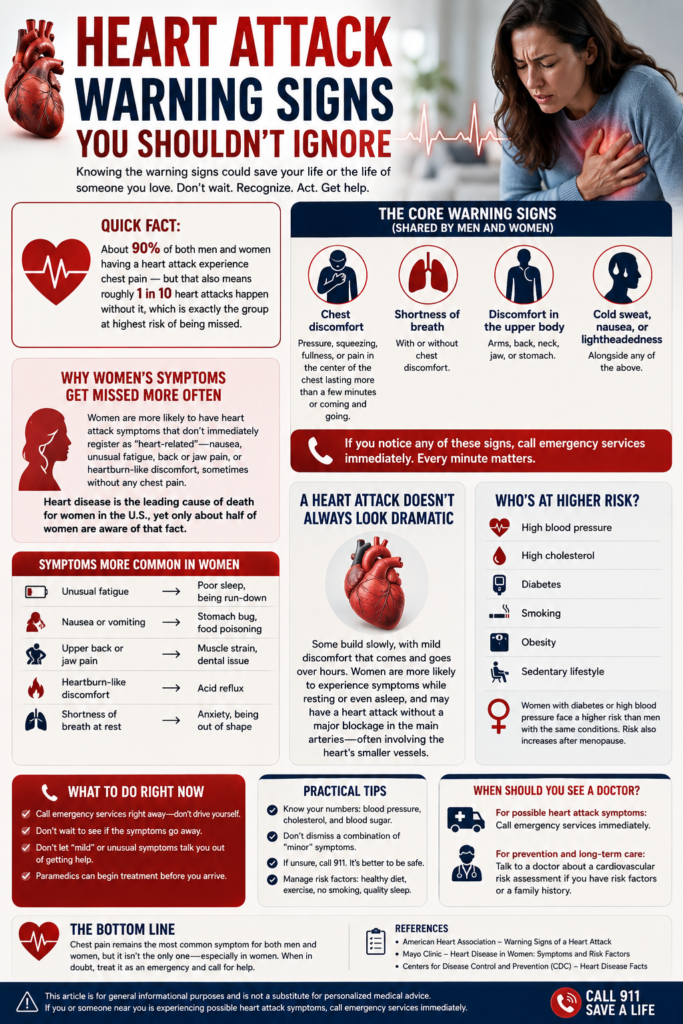
Do not pursue CAC scoring for active symptoms. Chest pain, unusual shortness of breath, or exertional discomfort require prompt evaluation through a different pathway, and chest pain with sweating, nausea, or arm or jaw discomfort requires emergency care.
Frequently Asked Questions
Does a calcium score of zero mean I have no heart disease? It means no detectable calcified plaque, which is associated with very low event rates. It doesn’t rule out soft, non-calcified plaque, so it’s reassuring rather than absolute — especially if you have symptoms.
Is the radiation from a CAC scan dangerous? CAC scanning uses a low radiation dose, though the amount varies by scanner and protocol. It’s worth discussing the specific risks and benefits with your provider.
Will insurance cover a coronary calcium scan? Often not. Many people pay out of pocket, with costs commonly in the $50-$400 range depending on the facility, so comparing prices locally is worthwhile.
Can my calcium score go down? Generally not, and a rising score isn’t necessarily bad — statins can increase calcification as they stabilize plaque. CAC isn’t designed to track treatment response.
How is CAC different from a stress test? CAC measures plaque burden in asymptomatic people to refine risk. A stress test evaluates whether blood flow is functionally limited, typically in people with symptoms.
The Bottom Line
The coronary calcium scan does something no risk calculator can: it looks. Instead of estimating your odds from population averages, it reports what’s actually in your arteries — which is why it reclassified statin decisions in the majority of eligible patients in one study. It’s not a complete picture, it misses soft plaque, and it’s the wrong test if you have symptoms. But for a healthy adult genuinely unsure whether to start treatment, it converts a statistical guess into an observation.
This article is for general informational purposes and is not a substitute for personalized medical advice. Discuss whether CAC scoring is appropriate for your situation with your healthcare provider.
References
- American Heart Association — Coronary Artery Calcium Test
- Yale Medicine — Is a Coronary Artery Calcium Scan Right for You?
- NIH (PubMed Central) — The Expanding Role of Coronary Artery Calcium Scoring in Preventive Cardiology