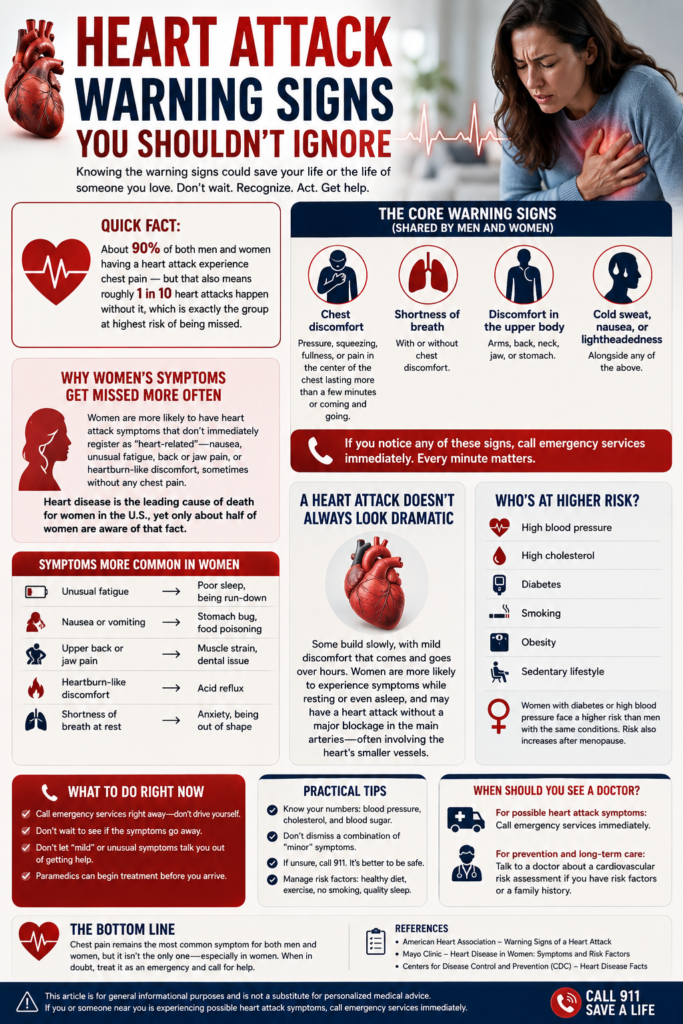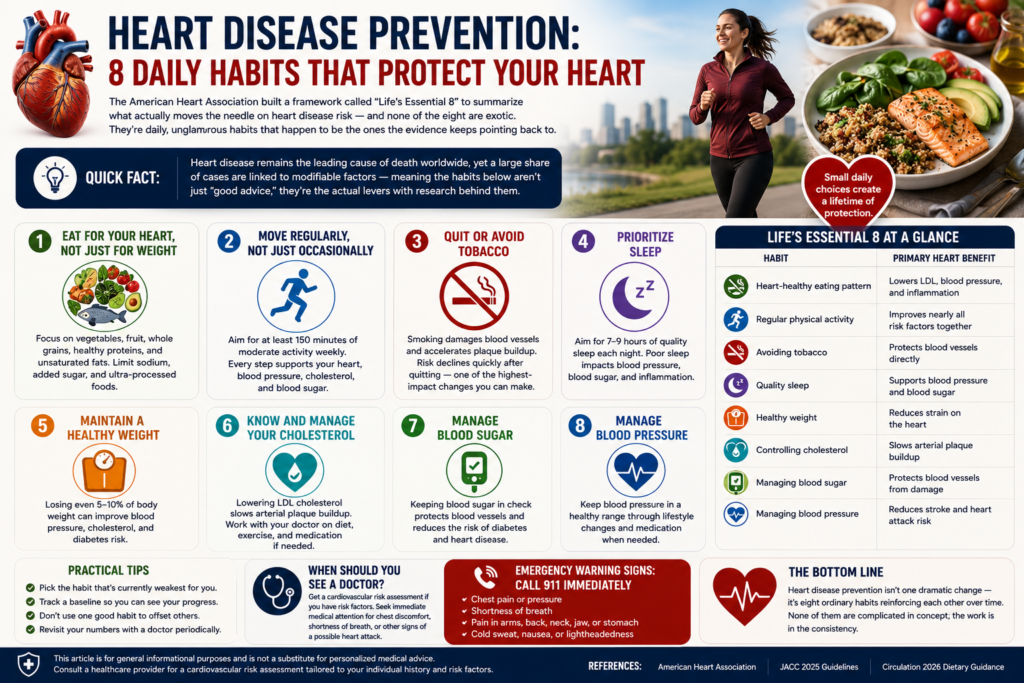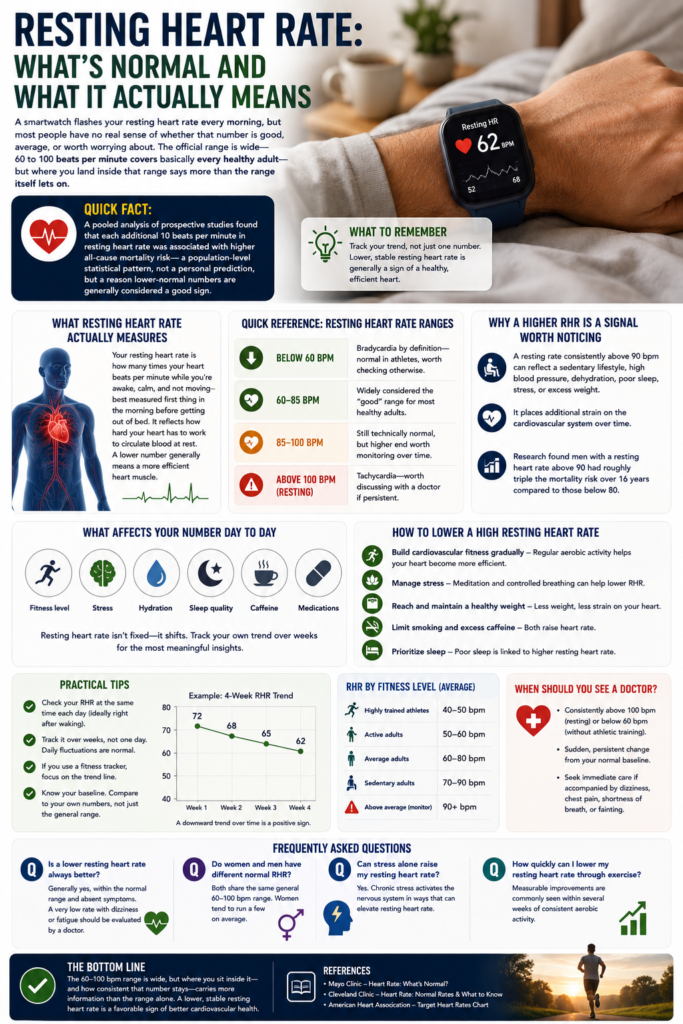
If you want to know how to lower cholesterol naturally, start by understanding what your numbers actually mean — getting a cholesterol number back from a blood test can feel confusing... — LDL, HDL, triglycerides, total cholesterol, all with different “good” and “bad” labels. Here’s what each number actually means, what’s considered healthy, and how to improve your numbers naturally through diet and lifestyle.
What Is Cholesterol, Really?
Cholesterol is a waxy substance your liver produces and your body needs — it’s used to build cell membranes, hormones, and vitamin D. The problem isn’t cholesterol itself, but the balance between its two main carriers in your blood: LDL and HDL.
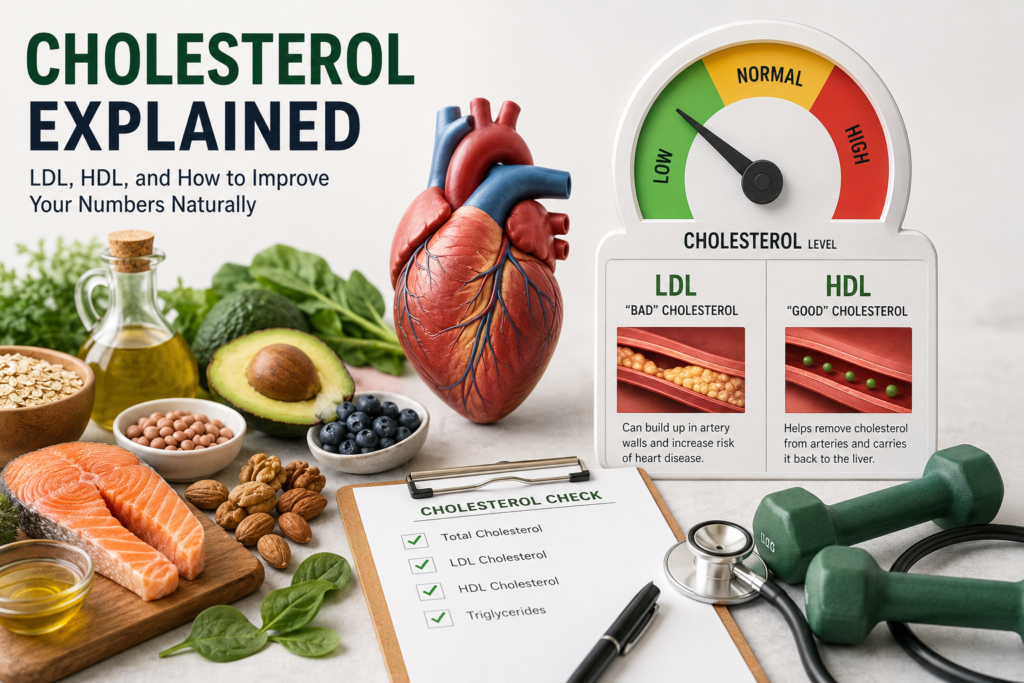
LDL (low-density lipoprotein) is often called “bad” cholesterol because it can build up in artery walls, forming plaque that narrows blood vessels and raises heart disease risk.
HDL (high-density lipoprotein) is often called “good” cholesterol because it helps carry excess cholesterol away from arteries and back to the liver, where it’s processed and removed.
Quick Fact: Current cardiology guidelines generally recommend keeping LDL below 100 mg/dL for most adults at moderate heart disease risk, with lower targets for those at higher risk.
What Do Healthy Numbers Look Like?
Quick Reference: General Cholesterol Targets for Adults
| Marker | Healthy Range |
|---|---|
| LDL (“bad”) | Below 100 mg/dL (lower for higher-risk individuals) |
| HDL (“good”) | Above 60 mg/dL is protective; below 40 (men) or 50 (women) is a concern |
| Total Cholesterol | Below 200 mg/dL |
| Triglycerides | Below 150 mg/dL |
These are general population guidelines — your personal target depends on your individual risk factors, family history, and existing health conditions, which is why cholesterol results are best interpreted with a doctor rather than compared against a generic chart alone.
How to Lower LDL Naturally
Replace saturated fat with unsaturated fat. This is one of the most effective dietary changes for LDL. Monounsaturated fats (olive oil, avocados, almonds) help lower LDL without dragging down HDL, while polyunsaturated fats — especially omega-3s from fish, walnuts, and flaxseed — reduce triglycerides. A simple rule of thumb: if a fat is solid at room temperature, it’s likely saturated; if it’s liquid, it’s likely unsaturated.
Add soluble fiber. Soluble fiber binds to cholesterol-rich bile acids in the gut and helps remove them from the body before they’re reabsorbed. Eating 5-10 grams of soluble fiber daily can meaningfully lower LDL. Good sources include oats, barley, beans, lentils, apples, citrus fruits, and psyllium husk.
Limit trans fats. Found in some fried and heavily processed foods, trans fats raise LDL while also lowering HDL — a double negative for your cholesterol profile. Checking ingredient labels for “partially hydrogenated oils” helps you spot them.
How to Raise HDL Naturally
Exercise consistently. Regular, moderate-intensity aerobic activity has been shown to raise HDL over time. Consistency matters more than intensity — starting with 20-minute sessions a few times a week and building from there is a reasonable approach for beginners.
Choose healthy fats over processed snacks. Swapping fried and heavily processed foods for sources of monounsaturated and polyunsaturated fat supports a healthier overall cholesterol balance, not just one number in isolation.
Maintain a healthy weight. Losing even a modest amount of excess weight can improve your overall cholesterol profile, particularly HDL and triglycerides.
Avoid smoking. Smoking lowers HDL and damages blood vessel walls, compounding cholesterol-related risk. Quitting is linked to measurable improvements in HDL levels over time.
What About Cholesterol Supplements?
Current guidance from major cardiology bodies is fairly clear on this: most dietary supplements marketed for cholesterol lack strong evidence of meaningfully lowering LDL compared to established treatments, and they aren’t recommended as a substitute for proven lifestyle changes or prescribed medication when needed. If you’re considering a supplement, it’s worth discussing with your doctor rather than assuming it will meaningfully move your numbers.
Practical Tips
- Swap butter for olive oil in cooking and salad dressings as a simple, low-effort change.
- Add a serving of beans, lentils, or oats to at least one meal a day to build up soluble fiber intake.
- Choose fatty fish like salmon or sardines a couple of times a week instead of processed or fried proteins.
- Recheck your cholesterol panel after 2-3 months of consistent changes to see what’s actually moving your numbers.
If you’re building a broader heart-health routine, it’s worth pairing this with our guides on foods that naturally lower blood pressure and strength training for beginners, since both blood pressure and regular exercise directly affect cholesterol.
When Should You See a Doctor?
Get your cholesterol checked regularly as recommended by your doctor, and seek medical guidance if your LDL remains high despite consistent lifestyle changes, if you have a family history of early heart disease, or if you’re considering starting or stopping cholesterol medication. Cholesterol management often works best as a combination of lifestyle changes and, when needed, medical treatment — not one or the other.
Frequently Asked Questions
Can diet alone lower high cholesterol? For many people, diet and lifestyle changes can meaningfully improve cholesterol numbers. For others — often due to genetics — medication may still be necessary alongside lifestyle changes to reach a healthy range.
How long does it take to see changes in cholesterol levels? Most people can see a meaningful shift within a few months of consistent dietary and lifestyle changes, though the exact timeline and size of the improvement varies by individual.
Is all fat bad for cholesterol? No. Unsaturated fats from sources like olive oil, nuts, and fatty fish support healthy cholesterol levels. Saturated and trans fats are the main dietary drivers of higher LDL.
Does egg consumption raise cholesterol? For most healthy people, moderate egg consumption doesn’t significantly affect blood cholesterol levels the way saturated and trans fats do. Individual responses vary, so this is worth discussing with your doctor if you have existing cholesterol concerns.
The Bottom Line
Cholesterol isn’t as simple as “good” and “bad” — it’s a balance between LDL, HDL, and triglycerides, all shaped by diet, activity, and genetics. Small, consistent changes — more soluble fiber, less trans fat, regular movement — tend to move the numbers more reliably than any single “superfood” or supplement.
This article is for general informational purposes and is not a substitute for personalized medical advice. Consult a healthcare provider to interpret your cholesterol results and determine the right approach for your individual risk factors.
References
- American Heart Association — Cholesterol
- National Lipid Association — LDL Cholesterol Management Guidance
- National Institutes of Health (NIH) — Cholesterol Research