A blood sugar or A1C result can feel like a foreign language — mg/dL, fasting glucose, A1C percentages, all compared against ranges that shift depending on the test. Here’s a clear breakdown of what normal blood sugar levels actually look like, what prediabetes and diabetes ranges mean, and what to do if your numbers fall outside the healthy range.
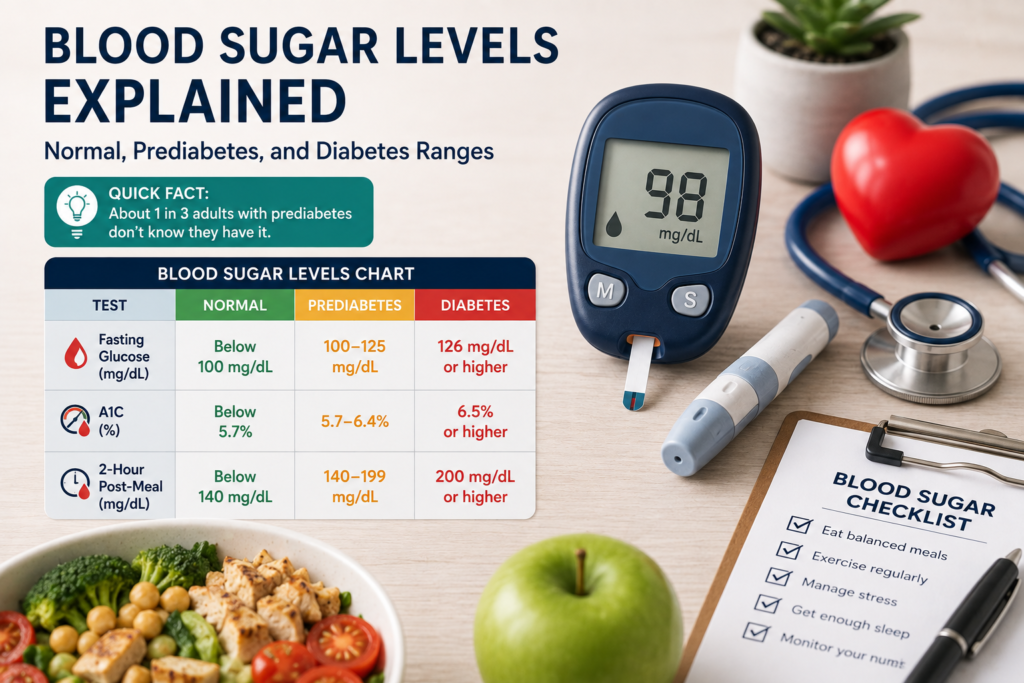
Quick Fact: About 1 in 3 adults with prediabetes don’t know they have it, since it typically causes no symptoms — the only way to catch it is through blood work.
The Three Main Tests
Doctors use a few different tests to assess blood sugar, and understanding which one you had matters for interpreting your result.
Fasting blood sugar (FBS): Measured after at least 8 hours without food or drink (except water). This is the most common screening test.
A1C: Reflects your average blood sugar over the past 2-3 months by measuring the percentage of red blood cells with glucose attached. It doesn’t require fasting and gives a longer-term picture than a single-day reading.
Post-meal (postprandial) glucose: Measured about 2 hours after eating, showing how your body handles a glucose load from food.
Normal Blood Sugar Levels vs Prediabetes and Diabetes Ranges
Quick Reference: Blood Sugar Levels Chart
| Test | Normal | Prediabetes | Diabetes |
|---|---|---|---|
| Fasting Glucose | Below 100 mg/dL | 100–125 mg/dL | 126 mg/dL or higher |
| A1C | Below 5.7% | 5.7–6.4% | 6.5% or higher |
| 2-Hour Post-Meal | Below 140 mg/dL | 140–199 mg/dL | 200 mg/dL or higher |
These are general diagnostic thresholds. Individual targets can vary based on age, pregnancy, existing health conditions, and hypoglycemia risk, which is why results are best interpreted with a doctor rather than compared to a chart alone.
What Prediabetes Actually Means
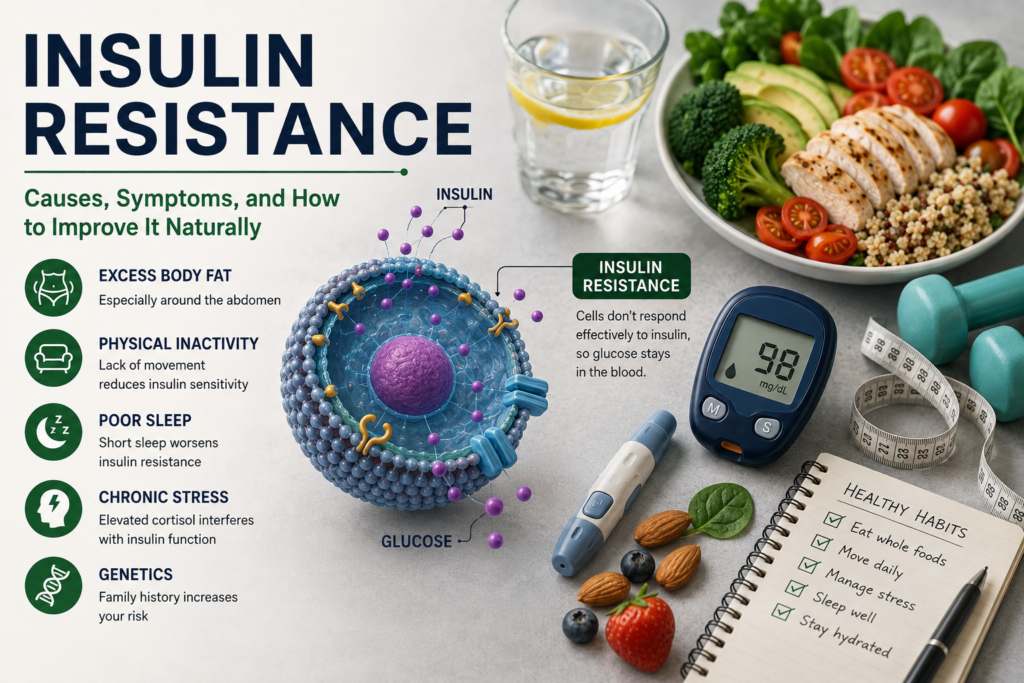
Prediabetes means your blood sugar is higher than normal but not yet in the diabetes range. It’s a significant warning sign, not a diagnosis to ignore: without intervention, a substantial portion of people with prediabetes go on to develop type 2 diabetes within several years. The encouraging part is that this stage is often reversible — structured lifestyle programs focused on modest weight loss and increased physical activity have been shown to meaningfully cut the risk of progressing to full diabetes.
What Affects Blood Sugar Results
Several factors can influence a given reading, including recent food intake, stress, illness, certain medications, sleep quality, and physical activity levels. This is part of why A1C — which reflects a longer average — is often considered a more stable measure than a single fasting or post-meal test.
Signs Your Blood Sugar May Be Too High
Common symptoms of elevated blood sugar include increased thirst, frequent urination, fatigue, blurred vision, and slow-healing cuts. However, prediabetes and even early type 2 diabetes often cause no noticeable symptoms at all, which is why routine screening matters more than waiting to “feel” something is wrong.
How to Improve Blood Sugar Numbers
Lifestyle changes remain the foundation for improving blood sugar, particularly at the prediabetes stage:
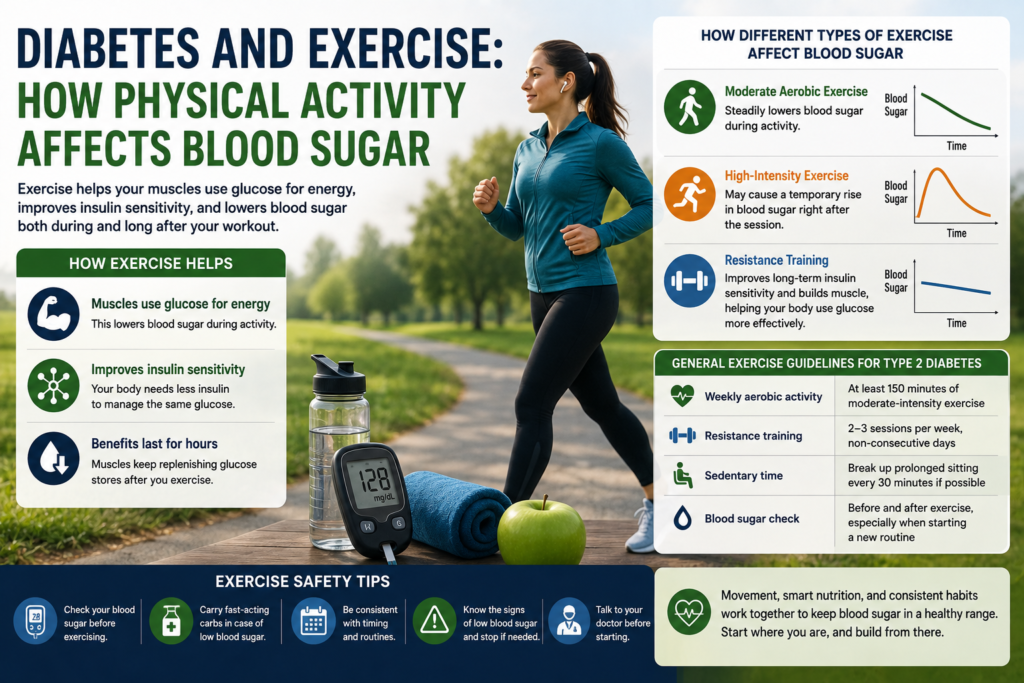
- Move more. Regular physical activity improves insulin sensitivity, helping your cells use glucose more effectively.
- Prioritize fiber and protein. Both slow digestion and help prevent the sharp blood sugar spikes that come from refined carbohydrates.
- Aim for modest weight loss if applicable. Even a 5-7% reduction in body weight can meaningfully improve blood sugar control for many people.
- Improve sleep quality. Poor sleep is linked to reduced insulin sensitivity, even in otherwise healthy people.
Practical Tips
- If you’re tracking at home, test at consistent times of day for more comparable results.
- Don’t rely on a single reading — trends over weeks matter more than any one number.
- Recheck A1C roughly every 3 months if you’re actively working to improve it, since that reflects the averaging window of the test.
- Keep a simple log of readings alongside meals or activity to spot your own patterns.
If you’re working on your blood sugar alongside your broader diet, it’s worth pairing this with our guides on the best diet for Type 2 diabetes and how much protein you need per day, since both directly affect blood sugar stability.
When Should You See a Doctor?
See a doctor for blood sugar testing if you have risk factors like a family history of diabetes, excess weight, or a sedentary lifestyle, or if you experience symptoms like unusual thirst, frequent urination, or unexplained fatigue. If you’re already diagnosed with prediabetes or diabetes, seek prompt medical attention for very high readings accompanied by symptoms, since this can signal a need for urgent treatment adjustment.
Frequently Asked Questions
Can prediabetes be reversed? For many people, yes. Lifestyle changes like modest weight loss, regular exercise, and improved diet can bring blood sugar back into the normal range, especially when caught early.
Is a home glucose meter as accurate as a lab test? Home meters are useful for daily tracking but are generally less precise than laboratory testing, which is why lab tests are used for diagnosis rather than home readings alone.
How often should I get my blood sugar checked? For most healthy adults without risk factors, screening every 3 years is typical. People with prediabetes, risk factors, or an existing diagnosis usually need more frequent testing, as advised by their doctor.
Does stress affect blood sugar? Yes. Stress hormones like cortisol can raise blood sugar temporarily, which is one reason single readings can vary even without dietary changes.
The Bottom Line
Blood sugar numbers aren’t just a single pass-or-fail result — they exist on a spectrum from normal to prediabetes to diabetes, and where you fall shapes what action makes sense. Catching prediabetes early, through routine testing rather than waiting for symptoms, remains one of the most effective windows for reversing course before it progresses.
This article is for general informational purposes and is not a substitute for personalized medical advice. Consult a healthcare provider to interpret your blood sugar results and determine an appropriate testing schedule for your situation.
References
- American Diabetes Association — Blood Sugar Testing and Targets
- CDC — Prediabetes Facts and Diabetes Prevention Program
- National Institutes of Health (NIH) — A1C Test Research