If you’re looking for how to improve insulin resistance naturally, it helps to understand how it develops — often silently for years before showing up as prediabetes or type 2 diabetes on a blood test.Understanding what it is — and that it’s often reversible — can make a real difference in catching it early and turning it around.
Quick Fact: Insulin resistance frequently begins years before blood sugar rises high enough to be flagged on a standard test, which is why lifestyle changes made early can have an outsized impact.
What Is Insulin Resistance?
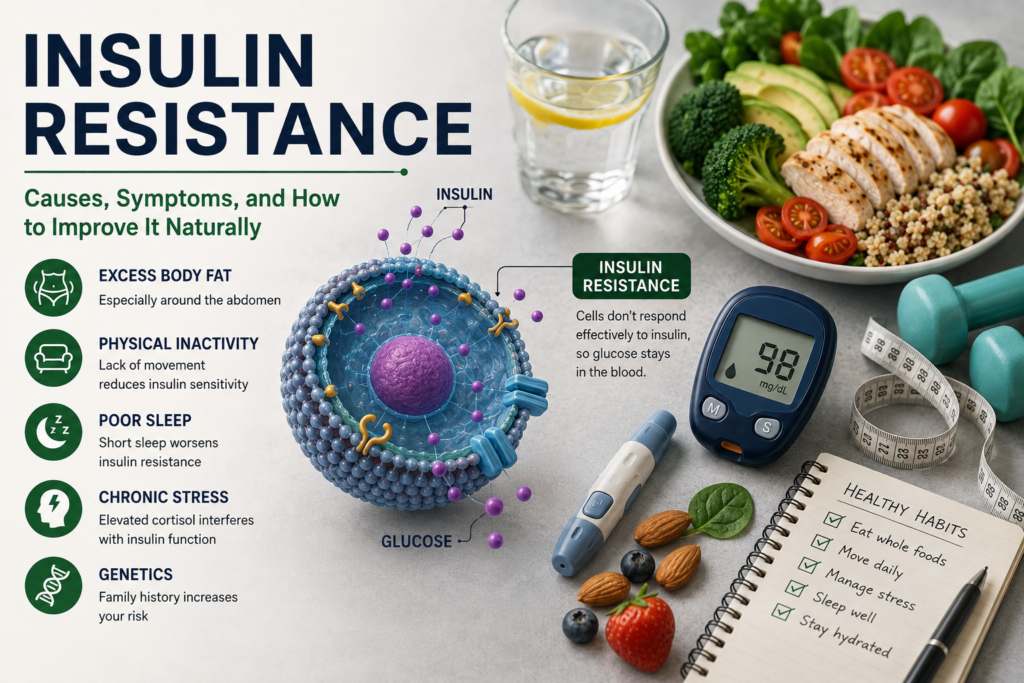
Insulin is a hormone that helps move glucose from your bloodstream into your cells for energy. Insulin resistance happens when your cells stop responding to insulin effectively, forcing your pancreas to produce more and more of it just to keep blood sugar in a normal range. Over time, the pancreas can struggle to keep up with this increased demand, and blood sugar starts to rise — the pathway that leads toward prediabetes and eventually type 2 diabetes for many people.
What Causes Insulin Resistance?
Excess body fat, especially around the abdomen. Visceral fat — the fat around your organs — is particularly linked to insulin resistance, more so than fat elsewhere on the body. A waist measurement above roughly 35 inches for women or 40 inches for men is associated with higher risk, even in people with a moderate BMI.
Physical inactivity. Movement helps muscles take up glucose from the blood, independent of insulin. A sedentary lifestyle removes this natural buffer.
Poor sleep. Even short-term sleep restriction has been shown to reduce insulin sensitivity and increase cravings for sugar and refined carbohydrates.
Chronic stress. Elevated cortisol from ongoing stress can interfere with how effectively insulin works.
Genetics. Family history plays a real role — some people are more predisposed to insulin resistance regardless of lifestyle, though lifestyle still meaningfully affects outcomes.
Signs You May Have Insulin Resistance
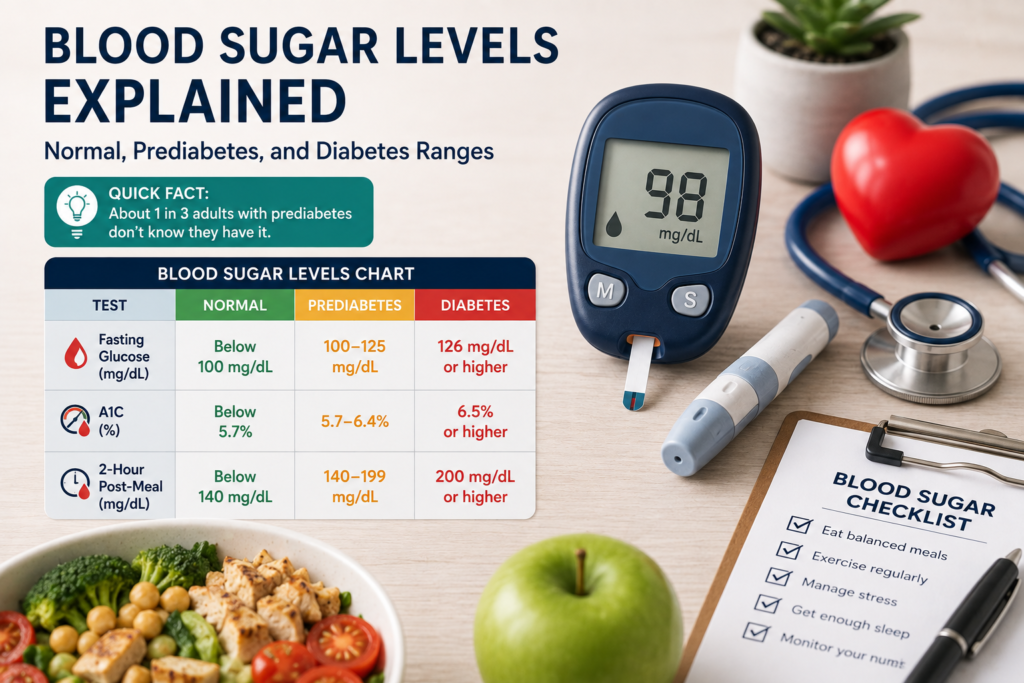
Insulin resistance often causes no obvious symptoms in its early stages, which is part of why it’s frequently missed. Some subtle signs that can appear include fatigue, increased hunger or sugar cravings, difficulty losing weight despite effort, and darkened patches of skin (acanthosis nigricans), often on the neck or underarms. The only reliable way to confirm insulin resistance is through blood testing, not symptoms alone.
Quick Reference: Key Levers for Improving Insulin Sensitivity
| Lever | Why It Helps |
|---|---|
| Weight management | Losing even 5-10% of body weight can meaningfully improve insulin sensitivity |
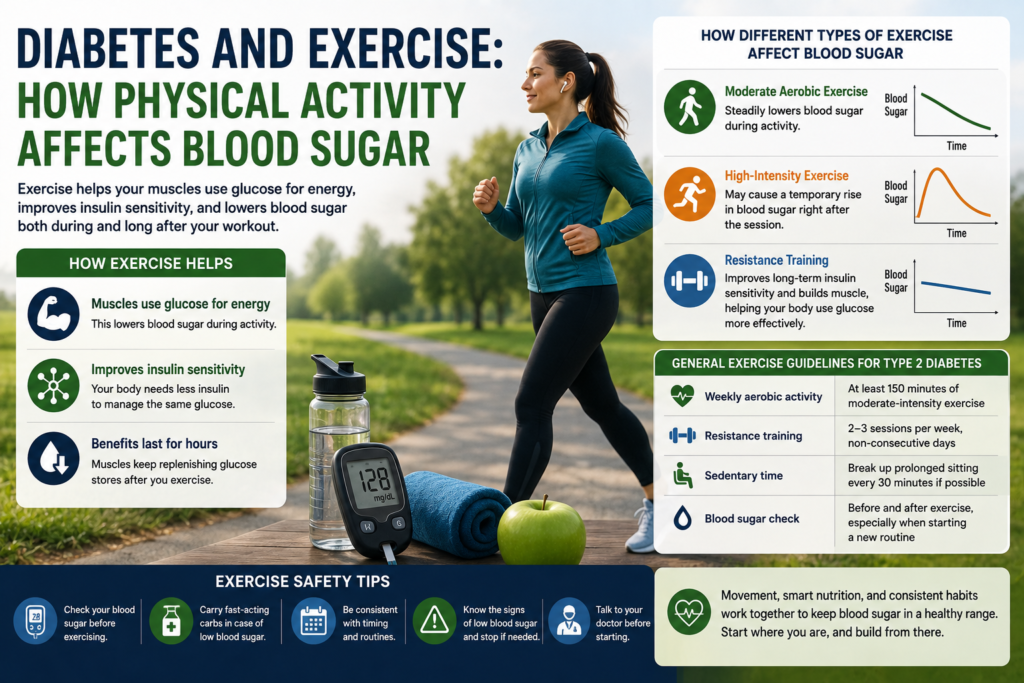
| Exercise | Moves glucose into muscles independent of insulin; effects last hours after a workout |
| Sleep | 7-9 hours supports healthy insulin function; short sleep worsens resistance |
| Fiber-rich diet | Slows digestion and blunts blood sugar spikes |
| Stress management | Lowers cortisol, which otherwise interferes with insulin’s effectiveness |
How to Improve Insulin Resistance Naturally
Move regularly. Both aerobic exercise and resistance training improve insulin sensitivity, with combined training showing some of the strongest effects. Even a single session can temporarily improve how your body uses insulin, and consistent training over 8+ weeks tends to produce more lasting changes.
Focus on whole foods and fiber. Diets built around vegetables, legumes, whole grains, and lean protein — rather than refined carbohydrates and added sugar — support more stable blood sugar and insulin levels over time.
Prioritize sleep. Getting consistent, adequate sleep is one of the more overlooked levers for insulin sensitivity, and it’s often easier to change than diet or exercise habits for some people.
Address body composition, not just the scale. Modest, sustainable weight loss — particularly reducing visceral fat — tends to have an outsized effect on insulin sensitivity compared to the number on the scale alone.
Manage stress where you can. While stress can’t always be eliminated, consistent practices like short walks, breathing exercises, or journaling can help offset its impact on cortisol and, indirectly, insulin function.
Practical Tips
- Pair carbohydrates with protein or fiber at meals to blunt blood sugar spikes rather than eliminating carbs entirely.
- Aim for movement most days rather than saving all your activity for one or two intense sessions a week.
- Track sleep alongside diet and exercise — it’s an easy factor to overlook when troubleshooting stalled progress.
- Give lifestyle changes a real trial of 2-3 months before judging their effect, since insulin sensitivity typically improves gradually.
If you’re working on this alongside broader nutrition and fitness goals, it’s worth pairing this with our guides on normal blood sugar levels and strength training for beginners, since both resistance training and healthy glucose ranges are closely tied to insulin sensitivity.
When Should You See a Doctor?
Talk to a doctor about testing if you have risk factors like excess abdominal weight, a sedentary lifestyle, a family history of type 2 diabetes, or symptoms like unusual fatigue or skin changes. If you’re already diagnosed with insulin resistance or prediabetes, work with your doctor to set a monitoring schedule and confirm whether lifestyle changes alone are sufficient or whether medication is also appropriate for your situation.
Frequently Asked Questions
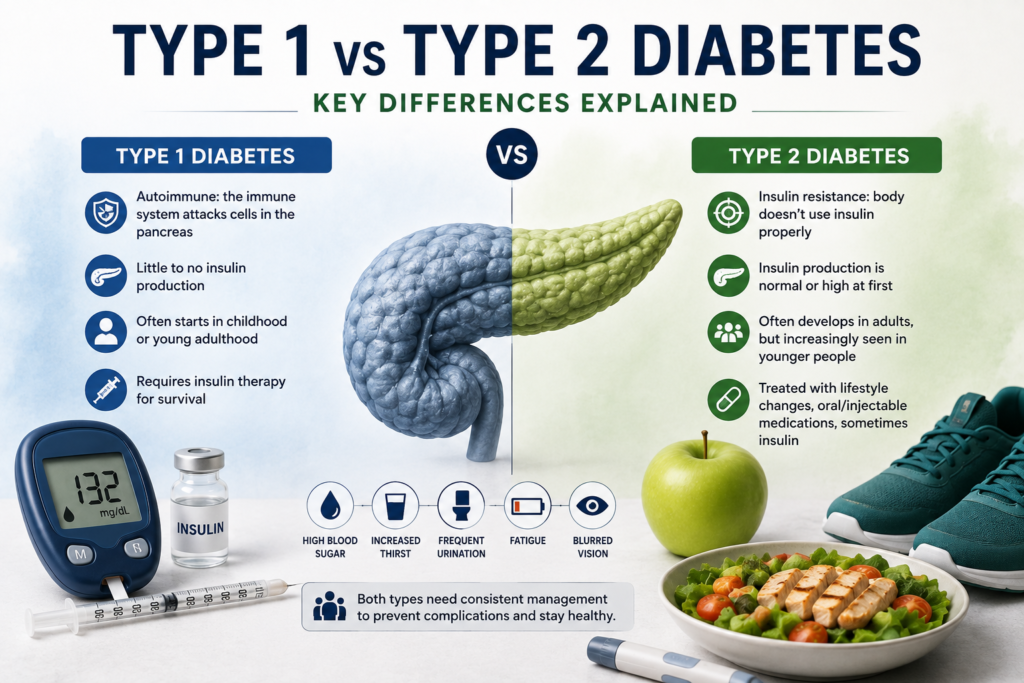
Is insulin resistance the same as diabetes? No. Insulin resistance is often a precursor to prediabetes and type 2 diabetes, but many people with insulin resistance never progress to diabetes, especially with early lifestyle changes.
Can insulin resistance be fully reversed? For many people, especially when caught early, lifestyle changes can substantially improve or normalize insulin sensitivity. The extent of reversal varies by individual and how long the condition has been present.
Do supplements help with insulin resistance? Some supplements, like chromium and magnesium, have limited supporting evidence, but they aren’t a substitute for the core levers of diet, exercise, sleep, and weight management. Talk to a doctor before adding any supplement.
How is insulin resistance diagnosed? There’s no single standard test used routinely; doctors often rely on a combination of fasting glucose, A1C, and clinical risk factors, sometimes alongside more specialized insulin testing when needed.
The Bottom Line
Insulin resistance develops quietly, often years before it shows up as a diagnosis — but that same slow timeline means there’s usually a real window to intervene. Movement, sleep, whole-food nutrition, and modest weight changes remain the most consistently effective, evidence-backed tools for improving it.
This article is for general informational purposes and is not a substitute for personalized medical advice. Consult a healthcare provider for testing and an individualized plan if you’re concerned about insulin resistance.
References
- Cleveland Clinic — Insulin Resistance
- American Diabetes Association — Insulin Resistance and Prediabetes
- National Institutes of Health (NIH) — Insulin Resistance Research